Keeping Students Safe Online: Teaching Healthy Technology Habits in a Digital World
By Xogos Gaming · July 21, 2026
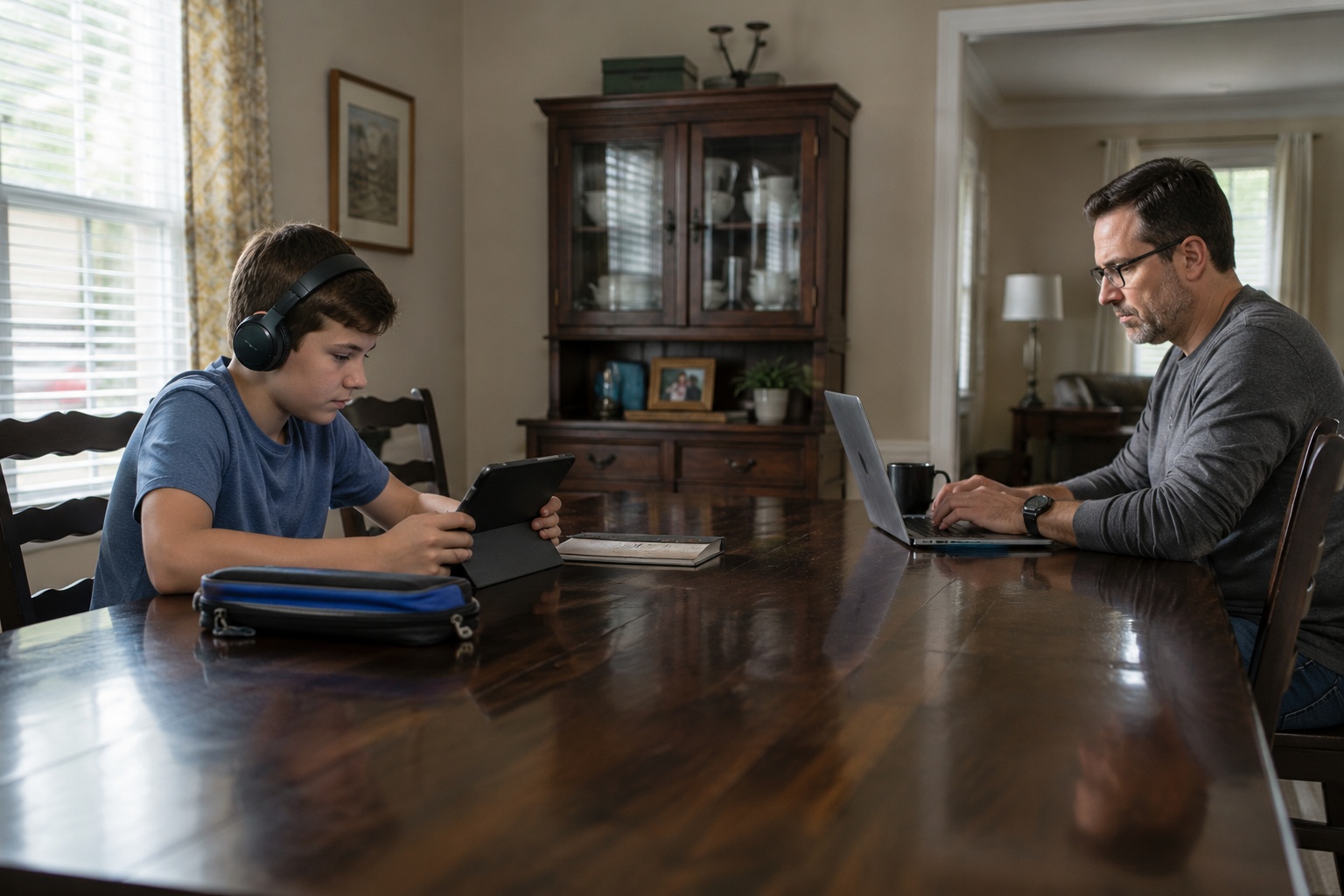
The Internet Is an Incredible Tool—But It Requires Wisdom
The internet has become one of the greatest educational resources ever created. Students can explore museums on the other side of the world, watch science experiments, learn new languages, collaborate with classmates, research historical events, and discover hobbies that may become lifelong careers. Never before has so much information been available to so many people.
At the same time, the internet also presents challenges that previous generations never faced. Cyberbullying, online predators, scams, misinformation, inappropriate content, addictive apps, and endless social media feeds compete for a student's attention every day. Technology itself is not the enemy but using it without guidance can expose students to risks that many young people are not yet prepared to recognize.
Our responsibility as parents and educators is not simply to hand children a device and hope they make good decisions. It is to teach them how to use technology wisely, safely, and with purpose.
Social Media Isn't Designed to Benefit Your Child
Many social media platforms are incredibly successful businesses because they are designed to keep people engaged for as long as possible. Every notification, recommendation, endless scroll, and autoplay feature is carefully designed to encourage users to stay just a little longer.
For adults, this can already be difficult to resist.
For children and teenagers, whose brains are still developing and learning self-control, these platforms can become especially powerful distractions.
This is one reason many parents choose to delay or greatly limit their children's use of social media. Rather than asking, "How early should my child join social media?" a better question may be, "What benefits does my child actually gain from using it today?"
For many younger students, the answer is surprisingly small compared to the potential risks.
Real Life Should Always Be Bigger Than Online Life
One of the greatest dangers of excessive screen time is not simply what students are watching—it is what they are missing.
Every hour spent endlessly scrolling is an hour not spent reading a great book.
It is an hour not spent riding a bicycle.
Not spent learning a musical instrument.
Not spent helping a neighbor.
Not spent building something.
Not spent talking face-to-face with friends and family.
Not spent volunteering in the community.
Students need opportunities to experience the real world because character is built through real experiences, real conversations, real challenges, and real accomplishments. No screen can fully replace those experiences.
Try the "One Hour On, One Hour Off" Challenge
Every family is different, and no single schedule works for everyone. However, one simple guideline can help students become more aware of how much time they spend with technology.
Consider trying a “Total Hours Each Day” where students get to be on their screens for a set amount of hours and they log the hour – or have the computer do it, where they can only play a certain amount of time and then they can’t watch any more. Also consider trying this method: the "One Hour On, One Hour Off" routine.
After spending an hour using a computer, tablet, or gaming device, encourage students to spend the next hour away from screens.
Go outside.
Ride a bike.
Play catch.
Take a walk.
Build something.
Read a physical book.
Draw.
Practice a hobby.
Help with chores.
Volunteer.
Simply sit outside and enjoy nature.
Some people jokingly say students need to "go touch grass," but there is real wisdom behind the phrase. Spending time outdoors has been associated with improved mood, reduced stress, greater physical activity, and opportunities for face-to-face interaction. It also reminds students that life is much bigger than what happens on a screen.
Perhaps the greatest benefit of alternating screen time with off-screen time is that students begin to recognize just how much of their day can disappear behind a device. That awareness helps them develop healthy habits that can last into adulthood.
Teach Students to Think Before They Click
Internet safety is about more than blocking websites. Students should learn practical habits that protect them wherever they go online:
Never share personal information publicly.
Think carefully before posting photos or comments.
Remember that what goes online can remain there for years.
Be cautious when talking with strangers.
Question information before believing or sharing it.
Report bullying instead of participating in it.
Ask a trusted adult whenever something online feels uncomfortable or suspicious.
These simple habits help students become thoughtful digital citizens rather than careless internet users.
Parents Should Stay Involved
Technology changes quickly, but one principle never changes. Parents should know what their children are doing online.
This does not necessarily mean watching every click. It means maintaining open communication, setting clear expectations, using age-appropriate parental controls when needed, and creating an environment where children feel comfortable asking questions or reporting problems.
Many families also find success by keeping devices out of bedrooms at night, establishing technology-free family meals, and setting regular times when everyone—including adults—puts devices away.
Children notice what parents model. If adults demonstrate healthy technology habits, children are far more likely to develop them as well.
Teach Students to Create More Than They Consume
Technology becomes much more valuable when students use it to build rather than simply consume.
Instead of spending hours watching short videos, students can write stories, create artwork, learn programming, produce videos, compose music, study history, practice mathematics, or explore science.
The internet becomes a classroom instead of simply an entertainment center.
Helping students shift from passive consumers to active creators prepares them for future careers while encouraging creativity and critical thinking.
Digital Safety Includes Emotional Health
Being safe online also means protecting emotional well-being. Constant comparisons on social media can leave students believing that everyone else's life is more exciting, successful, or enjoyable than their own. Negative comments, cyberbullying, and the pressure to gain likes or followers can affect confidence and mental health. If you can, consider completely removing it from your students device while they are young. As they get older, slowly allow them more freedoms with ones that you trust.
Parents and educators should remind students that social media often shows only carefully selected highlights of people's lives—not the complete picture. A student's value should never be measured by online popularity or digital approval.
Real friendships, strong families, meaningful work, and serving others provide a far more lasting foundation for confidence and happiness than any number of online likes or views.
Preparing Students for a Healthy Digital Future
Technology will continue to be an important part of our children's education, careers, and daily lives. Avoiding it completely is neither realistic nor necessary. Instead, our goal should be to teach students balance, wisdom, and self-control.
Students should know how to use technology effectively, but they should also know when to put it away.
They should understand that screens are tools—not substitutes for real life.
They should recognize that some of life's greatest adventures happen outdoors, in their communities, through friendships, service projects, family conversations, and experiences that no device can duplicate.
When students learn to balance both worlds, they become healthier, happier, and better prepared for adulthood.
Technology That Encourages Life Beyond the Screen
This philosophy is one of the reasons Xogos Gaming was created.
Rather than encouraging endless hours of mindless entertainment, Xogos Gaming was designed to make the time students spend on screens meaningful and educational. Students can enjoy engaging games while learning history, science, mathematics, fiWnancial literacy, language arts, and many other subjects in an environment focused on growth rather than distraction.
More importantly, Xogos recognizes that healthy development does not stop when the game ends. Students are encouraged and incentivized to step away from the screen, explore their communities, complete real-world activities, serve others, and develop skills that cannot be learned through a monitor alone.
The goal is not to keep students playing longer. The goal is to help students develop a healthy relationship with technology—one where screens become a tool for learning, fun, and inspiration while reminding them that the greatest opportunities for growth often begin when they close the laptop, put down the phone, step outside, and experience the real world.